 |
The Flowering Stage of the Plant Life Cycle
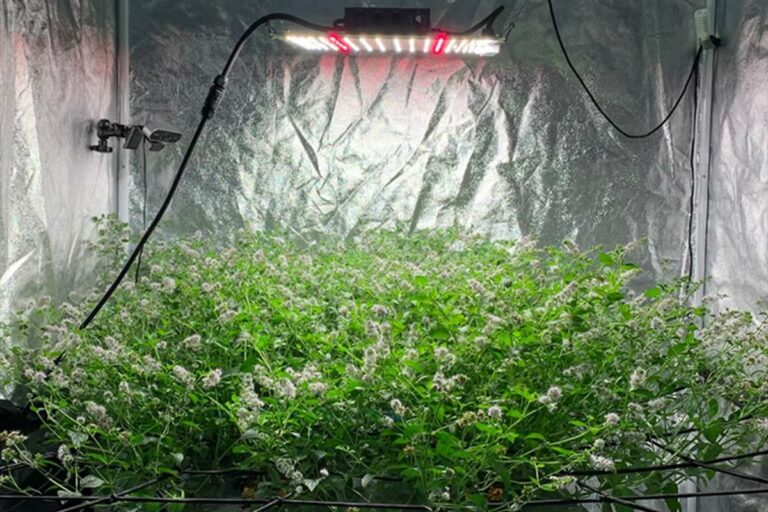
Once you've figured out flower forcing, it's on to the flowering stage. Most plants will take about two weeks to fully adjust into the new stage. After that, you should have about a 10 or 14 day growth spurt. After a 10 or 14 day period of relaxed growth, you will get another 10 to 14 day growth spurt. Every plant will be a little different, of course. Depending on the variety of plants you are growing, the nutrient solution strength should be kept somewhere between 800 and 1200 ppm. Many gardeners slightly increase the nutrient strength as the flowering period proceeds. If this is your first garden, make these increases very slowly and keep a close eye on your plants to determine their limits.
Reproductive Focus
During the flowering period, plants put all their energy towards reproduction. Many plants have many different ways to reproduce. Mostly they all involve the production seeds, either in flowers, fruits, vegetables, or nuts.
Male and Female
Sometimes seeds remain infertile and will not develop unless pollinated by a male plant. Often the female plant will continue to produce more flowers in an effort to reproduce, until fertilization happens. In other plants, seeds will develop during the flowering stage without the need for pollination or fertilization.
Diverting Natural Energy
When a flowering plant does get pollinated, it will often stop using its energy to produce new flowers. Instead, it will focus its energy on seed/fruit production for the rest of the flowering stage. This often depends on how heavily the plant was pollinated. If only lightly pollinated, the plant may decide to continue new flower production.
Temperature Affects Flowering
Besides the dark period, temperature plays a role in flower/fruit development. A few colder-than-usual days near the end of the flowering stage could motivate the plant to finish things up a little quicker. Or, consistently keeping the nighttime temperature 10 to 15 degrees cooler than the daytime temperature makes the plant feel a little chilly every night, and it will grow shorter and stockier and more dense. This difference is commonly referred to as the DIFF.
Producing Feminized Seeds
Finally, if a flowering plant is approaching the end of its life cycle and still has not been pollinated, it might just pop out a few male flowers and go pollinate itself. This is called rhodelerization. It is a survival response, and not a genetic predisposition to produce male flowers on a female plant. Rhodelerized male flowers can be used to produce feminized seeds which will grow up and will not be predisposed to hermaphorditism.
Hermaphordites
If male flowers had showed themselves on a female plant at some time before the late flowering stage, than it likely would have been from a genetic predisposition to do so. In this case, it is known as hermaphroditism. Hermaphrodites are, mostly, just aggravating and useless, You can make feminized seeds with the pollen, but all the resulting plants will be predisposed to hermaphorditism.
Completing the Plant Life Cycle
Of course, returning to the seed stage completes the natural life cycle of plants and begins the next generation.
Learn how to Force Flowering on plants
Leave the flowering stage page and Return to the Plant Life Cycle page
Check out the Hydroponic Gardening Page
|
|


Jason is voting for Ron Paul for President in 2012!


|