Home
Hydro Gardening
Hydro Systems
Homemade Hydro
Nutrients
How to grow Hydro
Garden Design
Grow Light Tips
Exhaust Setup
Tips & Tricks
Organic Gardening
Plant Life Cycle
Grow Herbs
Grow Tomatoes
Pest Control
Troubleshoot
Site Blog
The Daily Feeder
Site Map
Ask the Expert

[?] Subscribe To This Site

XML RSS
Add to Google
Add to My Yahoo!
Add to My MSN
Subscribe with Bloglines

One Homemade Aeroponics Cloner
A Brilliant Design Solution


homemade aeroponics cloner
I have long been against homemade aeroponics systems for many reasons. Usually, there are expensive pumps to buy, there are always problems with clogging spray heads, and there is always the potential for a homemade water disaster until a system is tried and true. This brilliant system, designed for cloning, eliminates ALL of those concerns.


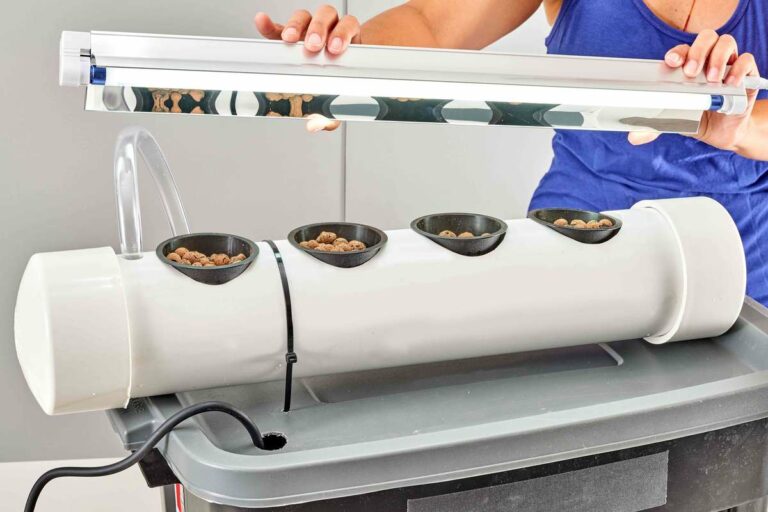
aeroponics cloner This homemade aeroponics system is made from a cheap plastic storage bin, sometimes called a tote. 2 inch holes are cut in the lid to hold several 2 inch netted pots. A cheap alternative that works equally well is to use disposable 6 oz plastic cups. You need to make many holes in cups for the roots. This resourceful guy burned the holes into the cups with a soldering iron, although you should keep in mind the fumes are very toxic. Consider using a hole punch or a drill instead.


aeroponics cloner
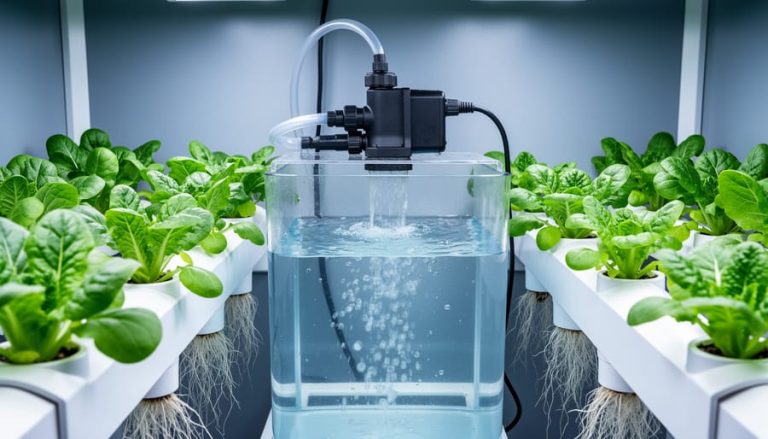
The cuttings are placed in the netted pots so a 1/2 inch sticks out the bottom, and cuttings are held in place with expanded clay pellets. The water level is kept 1 inch below the bottoms of the netted pots, which would be only a 1/2 inch below the cuttings. The clones are kept moist by an air pump on a timer.


aeroponics cloner
Tiny bubbles rushing to the surface pop and throw a very fine mist of water into the air. Clones produce roots more quickly with a series of wet/dry cycles, so the air pump is set to run in cycles continuously for 15 minutes on, than 45 minutes off. Two 6 inch air stones are used to help maximize coverage. After two weeks of maintaining the water level in the reservoir, the clones should have roots.


Ensuring Success

Success with your homemade aeroponics cloner starts with cleanliness and the right temperature. I address these two topics in some detail on my cloning success page. Start with clean, room temperature water in the reservoir. Adding a B1 supplement, like Thrive Alive B1, helps to reduce cutting shock and promote quicker and stronger root development. It's easy to adjust this system for rockwool. Use round rockwool plugs held in place with some expanded clay pellets in each netted pot. Most importantly, keep everything as close to 72 degrees as you can.


Visit the Homemade Aeroponics System page

Leave the homemade aeroponics cloner and
Return to Jasons Home Page


footer for homemade aeroponics page