Home
Hydro Gardening
Hydro Systems
Homemade Hydro
How to Grow Hydro
Grow Light Tips
Garden Design
Exhaust Setup
Tips & Tricks
Organic Gardening
Plant Life Cycle
Grow Herbs
Grow Tomatoes
Pest Control
Troubleshooting
Site Blog
The Daily Feeder
Site Map
Ask the Expert

[?] Subscribe To This Site

XML RSS
Add to Google
Add to My Yahoo!
Add to My MSN
Subscribe with Bloglines

Choosing a Homemade Hydroponics System Design


Below, homemade hydroponics designs are compared to each other in general terms of cost, maintenance, reliability, their likelihood to leak, and their ability to produce results. Every system is a little different, and it has taken more than 14 years of hydroponic gardening experience to form these opinions. Understanding the common problems with hydroponic systems will help you better understand the information below.

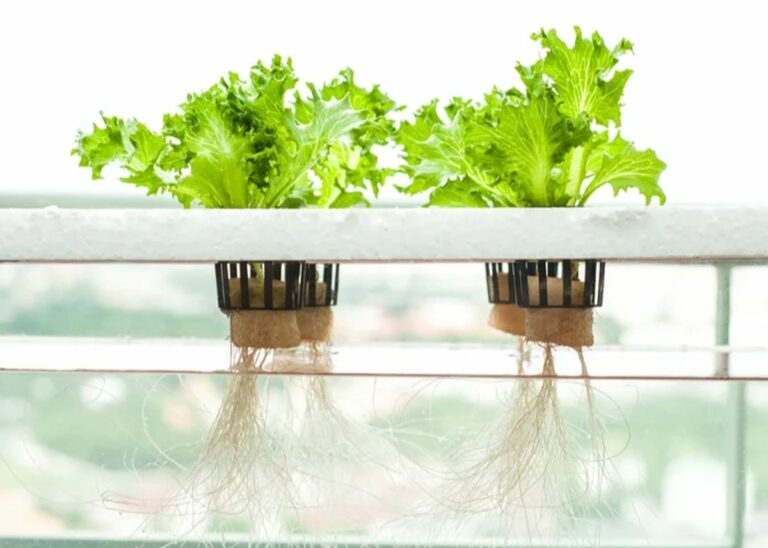
Three things are needed at the root level to produce healthy plants- water, nutrients, and oxygen. Each section includes a link to learn how, exactly, each system works to provide your plants with these things.


DWC and NFT Systems

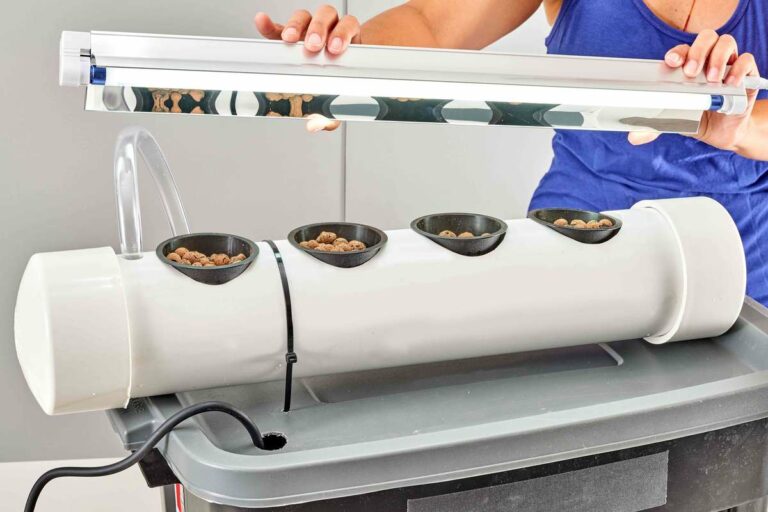
Deep water culture systems (DWC) and nutrient film technique systems (NFT) use low pressure pumps and are not predisposed to leaking. The DWC/NFT design is more affordable than others to build. These systems are reliable and low maintenance, needing to be checked only once a day. Both systems can be designed to use a reusable grow medium, such as expanded clay pellets in netted pots. These homemade hydroponic systems are capable of producing excellent results. Learn more about DWC systems and NFT systems.


Flood and Drain Systems

Flood and drain systems also use low pressure pumps, making this another affordable design to build. If roots or debris get into the drain, it could lead to a flooding situation. This problem can be mostly eliminated by locating the drain at least 12 inches from the nearest plant in the system. In general these systems are low maintenance, needing to be checked once or twice a day.

These homemade hydroponic systems can be designed to use a reusable grow medium, such as expanded clay pellets in netted pots. Clay pellets need to remain submerged 20-30 minutes every two hours to remain sufficiently wet. This involves using a timer to control the hydroponic pump. Because of the timer (which could fail) and the possibility of clogged drains, this design is just slightly less reliable than DWC or NFT systems. Flood and drain systems are also capable of producing excellent results. Learn more about flood and drain systems.


Drip/Spray Systems

The use of drip heads, spray nozzles, and high pressure pumps make these systems more costly to build than other homemade hydroponic systems. The use of a high pressure pump also makes leaking a greater possibility. Drip/spray heads moving out of their set positions may also cause leaking. Drip/spray heads are notorious for clogging, making system maintenance more of an issue. These systems need to be checked 2-3 times a day to prevent leaks and to make sure every plant is getting nutrient solution.

These systems can be designed to use a reusable grow medium, like expanded clay pellets in netted pots. Because of the leaking and clogging risks, these homemade hydroponic systems are less reliable than DWC and NFT systems unless given the extra attention/maintenance. These systems are capable of producing excellent results if nozzle clogs are caught and corrected in a timely manner. Learn more about drip systems.


Aeroponic Systems

Aeroponic systems are spray systems that grow plant roots in an empty air space without any other grow medium. Aeroponic systems use high pressure pumps, which make the system more likely to leak. The use of spray heads and a high pressure pump make this design more expensive to build. In addition, spray heads are likely to clog at some point.

With no grow medium to protect plant roots, a clogged spray head can lead to a dead plant in less than an hour. A pump failure or power outage can result in all of your plants dying within an hour. This makes the aeroponic system design high maintenance- these homemade hydroponic systems should be checked 4 times a day or more. If given the demanding amount of attention and maintenance, these systems are capable of producing excellent results. Learn more about aeroponic systems.


Before building your own Homemade Hydroponics System
Learn about several Common Problems With Hydroponic Systems


Get some Homemade Hydroponic System Construction Tips


footer for homemade hydroponics page