Home
Contact Info
Hydro Gardening
How to grow Hydro
Hydro Systems
Homemade Hydro
Garden Design
Grow Light Tips
Exhaust setup
Organic Gardening
Plant Life Cycle
Grow Herbs
Grow Tomatoes
Pest Control
Site Blog
Site Map
Troubleshoot
The Daily Feeder

XML RSS
What is this?
Add to My Yahoo!
Add to My MSN
Add to Google


Making a Homemade Hydroponics System


A homemade hydroponics system does not have to be complicated or expensive to build. Each type of hydroponics system has its own special things you must consider. Below is a list of systems that are the easiest to put together and that you can still get great results from. These include the...


Once you have a system, check out these sections on hydroponics feeding tips and organic hydroponics for some plant feeding ideas.

Or, put together the perfect environment to keep your garden system in at garden design,


The Hand Watering Method

easiest homemade hydroponics This is the lowest cost, lowest maintenance system. You can fill 50 cent grow bags with a soilless mix (like equal parts vermiculite/perlite/coconut coir) and you are all set to grow.

With this method, it is important to make the medium slow draining. This is accomplished by using the vermiculite and coconut coir, both of which retain water. The goal is to have the bags retain the nutrient solution (and stay moist) for about the same amount of time as a soil mix would.

All of this is very easy to accomplish. Simply water every day or two using whatever feeding plan you like.


The Reservoir Method

homemade hydroponics reservoir method

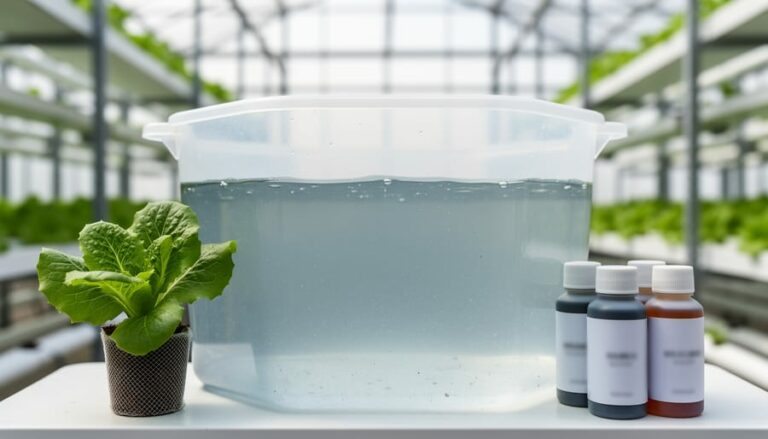
This homemade hydroponics system is also very easy. To duplicate the reservoir method homemade, all you need is a cheap plastic storage tote, a regular fish aquarium air pump, and a couple of air stones.

An effort should be made to keep light out of the nutrient solution. Square containers fit together nicely to make the most of your space, and also to block light. Or, holes could be cut in the lid of the storage tote to accomodate several plant containers, and also to block light.


The Flood and Drain Method
aka ebb and flow

homemade hydroponics flood and drain system

For a homemade hydroponics flood and drain system, you will need two cheap plastic storage totes, an aquarium air pump, an aquarium water pump, a timer, a set of flood and drain fittings, and a short length of plastic tubing.

First, one tote will be your nutrient reservoir. Pick a dark coloured tote to keep light out.

The air pump should go to a couple of air stones, which will be kept bubbling in the nutrient reservoir. The water pump goes here as well.

The other tote will go on top of the nutrient reservoir and hold the plant containers. Somewhere in the bottom of this container (out of the way of the plants) you will cut two 3/4 inch holes and install the flood and drain fitting and the overflow fitting.

Finish it off by running a short piece of tubing from the water pump to the flood and drain fitting (which is the shorter of the two).

All you have left to do is plug the water pump into the timer, set your timer for your flood and drain cycle, and fill the nutrient reservoir with about ten gallons.

When the pump kicks on, the top container will fill with water (but never higher than the overflow). When the pump kicks off, the nutrient solution will drain back down the shorter fitting, leaving the plants roots and growing medium wet with nutrient solution.

The flood and drain is the homemade hydroponics system I use most often. The function of the system is so simple. The results are consistently very good. The system is so easy to put together, there is no reason to ever purchase an expensive hydroponics setup.


The Nutrient Film Technique (NFT)

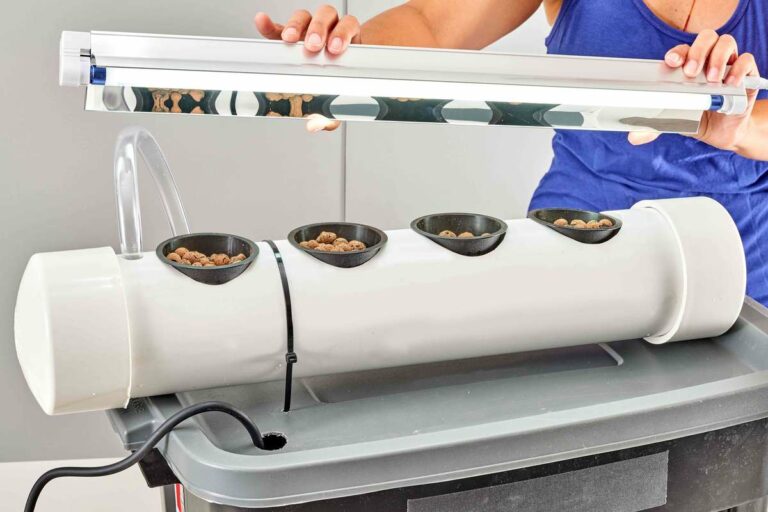
To build a homemade hydroponics NFT system, you will need plastic gutters, PVC pipe, or any flat container a few inches deep. You will need a cheap plastic tote for a nutrient reservoir, and an air pump to keep it oxygenated. You will also need a water pump to move the nutrient solution, and some capillary matt.


homemade hydroponics NFT system

In this homemade hydroponics example, the gardener uses one line from the pump to feed the top PVC pipe. Gravity than pulls the water back and forth until it is back at the nutrient reservoir.


homemade hydroponics NFT setup 2

In this setup, each row is being fed constantly from a line off the pump. Each row drains back into a collection pipe, which drains back to the nutrient reservoir. This setup would use a much stronger water pump.

However you decide to design your homemade hydroponics system, the key to this technique is the capillary matt in the bottom of every gutter, pipe, and tray. Also, make sure to pitch your pipes a little to keep the water flowing in the right direction.


The Wick System

homemade hydroponics wick system

For this homemade hydroponics setup, you will need two cheap storage totes and several feet of 1/2 nylon rope. You will also need an air pump to keep the nutrient solution oxygenated. In the picture here, this system has been fitted with flood and drain fittings, but could very easily be made into a wick system.

First, one tote will become the nutrient reservoir on the bottom. The nutrient reservoir always gets the air stones from the air pump. The top tote will hold the plant containers.

1/2 inch holes are drilled beneath each plant container to allow the nylon rope to hang down into the nutrient solution. Each rope must be long enough to be buried through most of a plant, yet still be able to hang down into the nutrient solution.

Finally, you want to fill the plant containers with a medium that will wick water from the nylon wick into the plant container. A 50/50 mix of perlite/vermiculite should work well. Perlite and coconut coir should also work well.


Leave the homemade hydroponics page and
Return to the Hydroponics Systems Page

Leave the homemade hydroponics page and
Return to the Hydroponics Feeding Tips Page

Free- subscribe to The Daily Feeder
my indoor gardening E-zine

Jason's Home Page


footer for homemade hydroponics page