 |
Hydroponic Nutrient Buildup in the Grow Media
by Michael E. Basham
(Virginia)
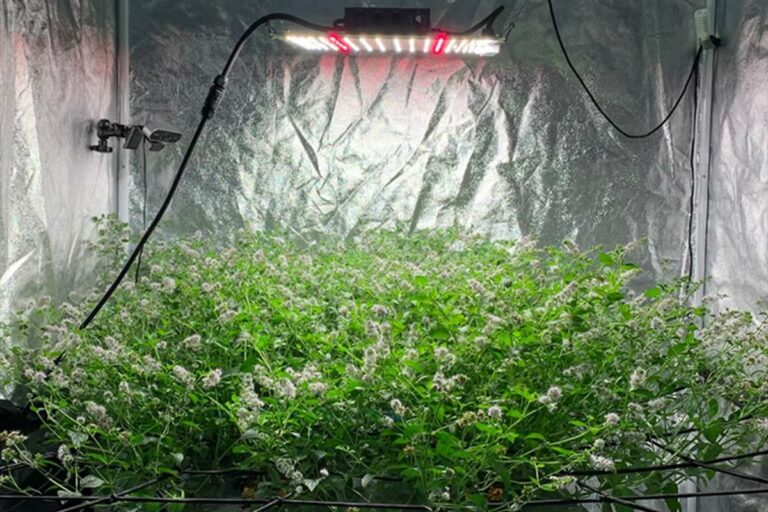
I recently started growing radishes, salad greens, etc. indoors. I use T5 grow lights. Presently, I use regular rubbermaid kitchen sink tubs as the containers. I use a sterile growing medium of 3 parts peat moss, 1 part vermiculite and 1 part perlite with 1-2 inches of pea gravel in the bottom of the tubs for drainage. I am using a 1 1/2 T/gal. mixture of Peter's Blossom Booster (10-30-20) as fertilizer. I apply this with a small watering can by hand. I sow seeds directly into the tubs by hand and have had a successful trial run of radishes already. The salad greens also seem to be coming along OK.
My question is, would you recommend using a weak hydrochloric acid solution applied by hand to the growing medium between batches? And also, do you feel I will eventually get a dangerous buildup of fertilizer in the growing medium itself? If so, is there a way to sterilize it between batches? Any comments in general would also be appreciated.
Answer: Michael- believe it or not, you are actually practicing a hand-watering method of hydroponic gardening (because all of the nutrients your plants receive are coming from the water you give to your plants). Eventually, there may be a toxic buildup in your soilless mix. There are a few things you can do to maximize the healthy life of your mix....perhaps indefinitely.
Sterilization refers to any process that kills all living organisms in your soil or soilless mix. This is only required if you end up with a fungal, viral, or pest problem (and in reality the best option is to dispose of the old soil and replace it with new). In your situation, you are not really dealing with any biological cause, and so sterilization is not really going to help you as far as detoxification goes.
Toxic conditions in the soil are a result of fertilizer buildup over time. One cause can be over-fertilization. Another cause can be evaporation from the soil, which leaves behind concentrated fertilizer salts. A third cause can be that certain chemical compounds in the soil are simply not available to your plants....for one reason or another they are "locked up", and therefore build up to toxic levels. Finally, your plants may simply be using some of the nutrients (like all of the Nitrogen), but not all of the Phosphorus....in which case you can have a toxic buildup of Phosphorus.
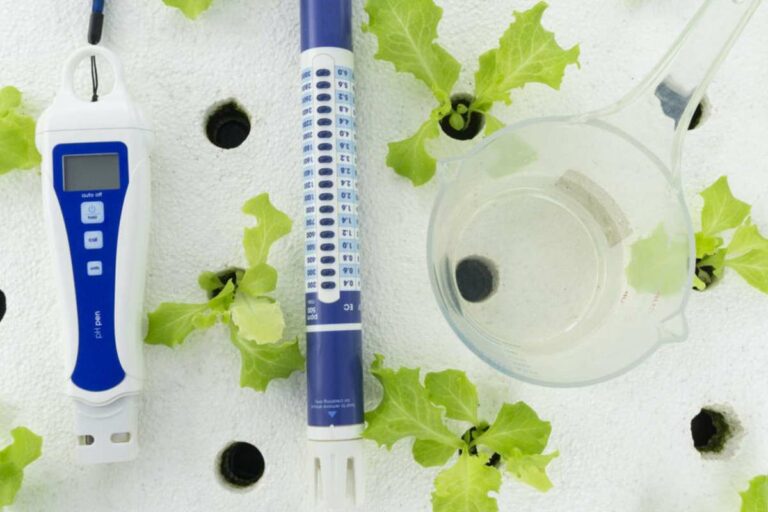
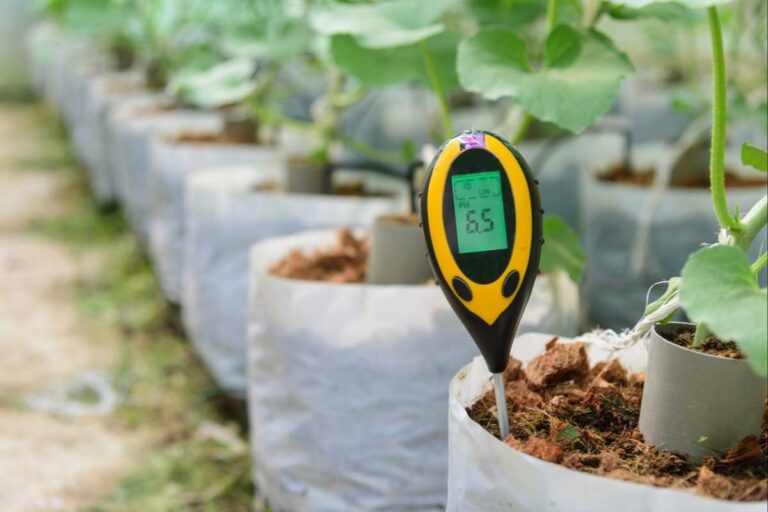
Now the solutions- One main reason for nutrient un-availablility (or nutrient lockup) is having the wrong pH. The soilless mixture you are using is slightly acidic (because of the peat moss), and should be the correct pH to begin with. To prevent nutrient lockup, always check and adjust the pH of your nutrient solution before watering it into your soilless mix. The ideal pH of your nutrient solution is 6.2, with 6.0-6.5 being very acceptable.
Even when your pH is correct, sometimes nutrients will oxidize, chemically combine with other fertilizer salts, or become locked up for other very complicated reasons. In nature, such substances are slowly made available to plants through a symbiotic relationship between the roots of your plants and tiny beneficial micro-organisms that live in the soil around the roots of many plants. The plant's roots exude carbohydrates called esters, which feed beneficial micro-organisms and encourage the growth of large populations of them. The micro-organisms in turn produce humic acids (the most active of which is Fulvic acid). Humic acids are chelators....which means in the presence of small amounts of humic and fulvic acid, most "locked up" nutrients all of a sudden become chemically available to your plants.
In a garden situation like yours, this process would also "unlock" any nutrients that have become unavailable, thereby allowing your plants to take them up and also thereby preventing any toxic buildup of them. To encourage this process, adding kelp meal to your soilless mix is one strategy. You could also add a liquid seaweed nutrient additive (like Maxicrop) to your fertilizer mixture. There are also a number of products you can use to inoculate your soilless medium with millions of beneficial micro-organisms. One product is called Subculture (by General Hydroponics)....another strategy is to water your plants occasionally with a good, freshly made compost tea (compost is loaded with beneficial micro-organisms).
When growing crops like lettuce and spinach, it is important to know their nutrient requirements. These kind of plants (and most herbs as well), all produce edible parts during the vegetative stage. This means they feed mostly upon Nitrogen. By feeding these type of crops a 10-30-20 fertilizer consistently, you may inadvertently be creating a Phosphorus toxicity in your medium.
The simple act of giving your plants plain water in between feedings may be enough to keep any toxic fertilizer buildup at bay. This tends to grab fertilizer salts from the upper layers of the soil, where most evaporation occurs from, and moves them lower into the soil mixture. Also, after growing a crop in the soilless mix for 4 or 5 weeks, it is a good idea to do a "flush". You simply water in a very, very weak (10%) nutrient solution until 20% of the solution you have watered in has come back out the bottom of your containers.
Finally, there are products in hydroponic supply stores (and available online at places like Alternative Garden Supply) that are designed to flush fertilizers from the soil in between crops. Some that come to mind are FloraKleen and Final Flush. I cannot be sure if these products are actually a weak hydrochloric acid mixture or not, but they do work. I hope this helps you out Michael, and Happy Growing!
Click here to post comments.
Join in and write your own page! It's easy to do. How?
Simply click here to return to Hydroponic Nutrients Q&A.
|
|


Jason is voting for Ron Paul for President in 2012!


|