Home
Hydro Gardening
Hydro Systems
Homemade Hydro
How to Grow Hydro
Grow Light Tips
Garden Design
Exhaust Setup
Tips & Tricks
Organic Gardening
Plant Life Cycle
Grow Herbs
Grow Tomatoes
Pest Control
Troubleshooting
Site Blog
The Daily Feeder
Hydro FAQ
Site Map
Ask the Expert
Plants for Sale
[?] Subscribe To This Site

XML RSS
Add to Google
Add to My Yahoo!
Add to My MSN
Subscribe with Bloglines

Hydroponic Nutrients with Soilless Medium

It's quite difficult for me here in Vietnam to buy fertilizer product, but I did manage to buy some Dutch Master Potash+, only later to find out it was for use hydroponically. Will this be OK to use in my soiless potting mix? I grow fancy Hibiscus on my roof top in Nha Trang; or should hydroponic products only be used in a water growing medium?

In fact, I am a little confused as to what hydroponic means. I think it means growing plants in water and not soil. I hope I have not wasted my money, and thanks for any advise you can give me.

Answer: When people mention hydroponics, they are referring to any system (or method) by which plants can be grown in which they receive all of their nutrients through the supplied water (including hand watering a soilless medium with hydroponic nutrients). This makes it very important to know the nutritional requirements of your plants, as well as how to maintain your nutrient solution properly.

All plants require water, proper nutrients, and the presence of Oxygen at the root level. In a hydroponic system the growing medium contains no nutrients, and is there mostly for physical support and for its ability to keep the roots moist. So, the short answer to your question is that it should be perfectly fine to use hydroponic nutrients with your soilless mix....as long as the nutrients satisfy ALL of your plants nutritional needs.

Mostly, plants require Nitrogen, Phosphorus, and Potassium. These are the three major nutrients that make up the N-P-K numbers displayed on any fertilizer. In addition, most plants require the presence of secondary nutrients (Calcium, Magnesium, Sulfur, and Iron) and very small amounts of many micro-nutrients (possibly as many as 42 different micro-nutrients!).

To complicate things a little more, the nutritional requirements of many plants change as the grow older, and as they switch from vegetative growth (in the Summer) to flowering (in the fall, usually). More specifically, plants require more Nitrogen during the vegetative stage and more Phosphorus and Potassium during flowering. This means (for most hydroponic gardeners) they need some way of adjusting the N-P-K ratio of their fertilizer. The way this is done is by using "two part" or "three part" hydroponic fertilizer programs, where the ratio of the different parts can be changed as needed.

Another way is to use one fertilizer as a "base" fertilizer and use a fertilizer additive (nutrient additive) to increase the Phosphorus and Potassium content as needed (for example). This brings me to your hydroponic nutrient, the Dutch Master Potash+. This is a product that is designed to be used as a nutrient additive to boost Phosphorus and Potassium levels in your fertilizer recipe. Unfortunately, it does not contain any Nitrogen. Also, I don't believe it contains any of the secondary nutrients or micro-nutrients (I could be wrong- you will need to read the bottle carefully and determine this).

If fertilizer purchases are hard to come by, than you may want to consider trying to make your own recipe. Properly made compost makes an excellent compost tea fertilizer. While the exact nutrients in compost tea will vary depending on how the compost was made, it will very likely contain some amount of each of the secondary nutrients and many of the micro-nutrients that your current fertilizer is missing. Aged cow or horse manure can be added to the compost tea to add the very much needed Nitrogen that your fertilizer is missing. Soaking alfalfa hay in water also produces a solution high in Nitrogen, but it stinks....I mean REALLY stinks (just a fair warning).

The compost, manure, and any other products your want to try in your tea (such as liquid seaweed or kelp meal- both packed with micro-nutrients) should be placed in a sock or pillow case and suspended in a 5 gallon bucket of water. Jiggle the sock every once in a while to help the nutrients into the water. Allow 24 to 48 hours to brew. When your plants begin flowering, a small amount of the Dutch Master Potash+ can be added to the solution to ensure heavy flowering. You will have to experiment a little to get your dose right and to make sure there are no nutrient deficiencies, but this method can be both simple and very effective (not to mention inexpensive).

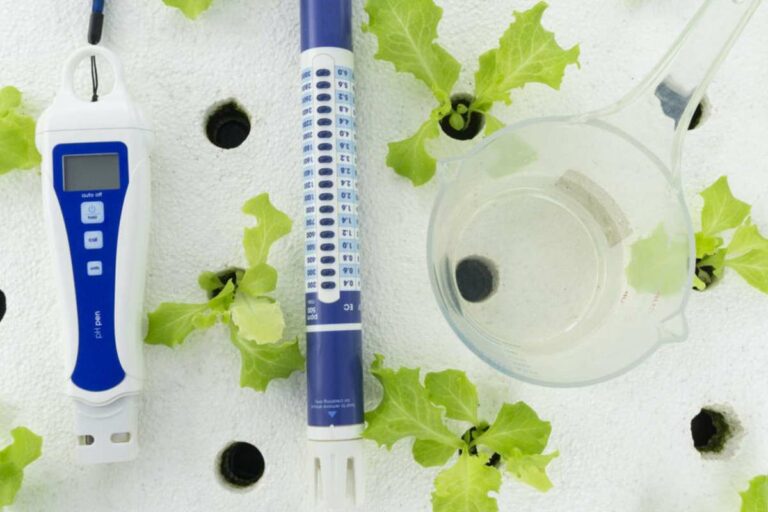
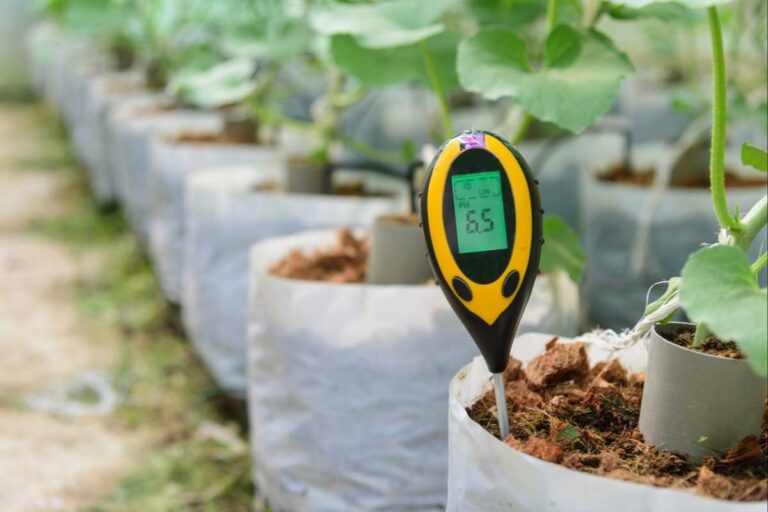
The only thing I would be concerned about would be the pH of the solution before you water it in. Having the pH wrong can produce symptoms in your plants that appear to be nutrient deficiencies even though all of the required nutrients may be present (but unavailable at that pH). PH test kits can be purchased quite cheaply (around $4.00 for the cheap kind here in the US), although this may be another hard-to-get item where you are located.

The ideal pH for most plants is around 6.2. This is the pH at which the greatest number of nutrients are available to the plants. If the pH of your solution is off, you will either need to try a slightly different fertilizer recipe or else purchase a bottle of pH UP or pH DOWN (depending on your needs). I sure hope this helps you out, and Happy Growing!

Click here to read or post comments.

Join in and write your own page! It's easy to do. How?
Simply click here to return to Hydroponic Nutrients Q&A
.


The Alex Jones Radio Show


SBI Success Story


Jason is voting for Ron Paul for President in 2012!

Ron Paul for President 2012


Ron Paul - End the Fed Reserve banking system