Organic Gardening Cheat Sheet
Organic Gardening can take some time to master...not everyone is born with a green thumb. If you need results from your garden this year and don't have time to get over the learning curve, the cheat sheets below will be very helpful. I have stripped the advise down to those things you should do to get great results.
The most important activities (starting seeds, garden bed preparation, fertilizing, watering) have all been covered, as well as several other important topics.
On this organic gardening page you will find a list of seeds you need to start indoors. The list is organized from earliest to latest (for many different seeds need to be started at different times). The cheat sheet also tells you when each of the crops should be moved into your garden outdoors. Finally there is a section listing the crops you should be starting directly outdoors, organized again from earliest to latest.
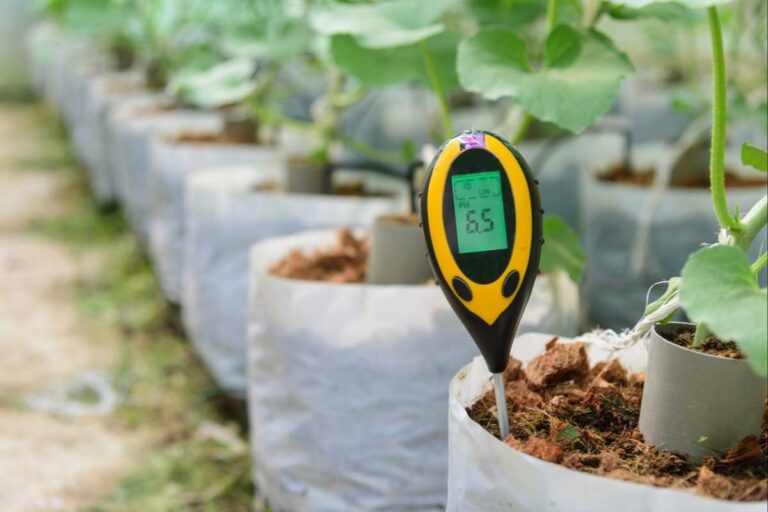
This gardening cheat sheet will tell you when to prepare your garden bed. This page includes anything that needs to be done to the whole garden area. This includes how to do a soil test, how to adjust the pH of your soil, and what kinds of things you should add to your garden soil. Other adjustments may need to be made depending on what crops you are planning to grow (see the section below).
Garden Soil Preparation Crop by Crop
Once your garden bed has been prepared in general, you should decide where individual crops will be planted within the garden. Some crops prefer less fertilizer, some crops prefer more. Some crops like the addition of bone meal, while others grow better in a raised bed. This cheat sheet will help you get every section of your garden just right for every crop you plan to grow.
Garden Fertilizing Cheat Sheet
Some crops require lots of plant food. Even when you prepare your garden bed right, certain crops will benefit from the feeding of additional fertilizer. This cheat sheet will list those crops. It will also discuss some fertilizers that are appropriate to use. Finally, it covers the rate (or strength) of the fertilizer and the frequency (how often) you should be feeding these crops.
You don't want to over-water, but you don't want to under-water either. In addition to that, seedlings need to be watered differently than fully established plants. Finally, watering instructions can differ from crop to crop...for example, beans tend to get leaf fungus if you get their leaves wet when you water them. This gardening cheat sheet will keep you on track with all the best watering tips.
Leave the Organic Gardening Cheat Sheet and Go To the Garden Bed Preparation Page
Go to the Hydroponic Gardening Home Page

|