Organic Hydroponics Feeding Tips
The only difference between organic hydroponics and regular hydroponics is what you choose to feed your plants. This page will cover some organic feeding options for hydroponics systems.
For help and tips on mixing an maintaining your nutrient solution, check out my hydroponics feeding tips.
A Good Place to Begin
One organic hydroponics feeding plan I found is simple, works very well, and is less expensive than professional hydroponics fertilizers (which are not usually organic, anyway).
For the first ten days the plants have roots, I usually give them 400 ppm Maxsea 3-20-20, which is about a level teaspoon in a gallon of water.
After this point, the higher nitrogen levels will no longer damage the young plants, so I make the solution 600 ppm Maxsea 16-16-16. This is a rounded teaspoon in a gallon of water.
When the plants are switched to flowering, I use a mix of Maxsea 16-16-16 and Maxsea 3-20-20 for two weeks. I used to use just Maxsea 3-20-20, but the plants usually end up a little nitrogen deficient by the end. I try to keep the solution around 700 ppm here.
Finally, I switch to plain Maxsea 3-20-20 to finish. I keep the solution around 800 ppm, which is about 2 level teaspoons in a gallon of water.
Flushing a crop with plain water before harvest will improve the aroma and flavor of your produce. In a hydroponics system, this can be done with 7 to 10 days of plain water. It is helpful if you change the plain water with fresh water every day for these last days.
The only thing about Maxsea is that it is missing magnesium. Add 1/4 teaspoon Epsom salts to every gallon of nutrient solution and you will never have a problem with this.
Using Maxsea for organic hydroponics is great. It dissolves almost completely, with very little particulate matter, so there is less stress on your pumps.
When you mix it up, it is near perfect Ph. This eliminates the need to purchase an expensive Ph meter in the beginning. It also makes checking your nutrient solution everyday a little easier.
Maxsea is complete except for magnesium, which makes your feeding much more simple than it could be.
Because it is a seaweed based fertilizer, you do not need to supplement with liquid seaweed for trace nutrients. Seaweed is also high in plant hormones, eliminating the need to supplement for these also.
I have seen very few other systems this simple that produce top notch results like Maxsea does. Did I mention that it costs you less than professional hydroponic fertilizers? One of the only places I have been able to find the Maxsea fertilizers at is Charley's Greenhouse and Garden.
Other Organic Feeding Options
Another popular method for organic hydroponics is to make a nutrient tea with worm castings and bat guano. You may want to add Maxicrop liquid seaweed and Thrive Alive B1 at 10 ml/gallon to add hormones and vitamins.
For the vegetative stage, put two parts worm castings to one part high nitrogen bat guano to make your tea.
For the flowering stage, use one part worm castings to two parts high phosphorus bat guano to make your tea.
Place the organics in a sock or pillow case and make your tea in 3 to 5 gallons of water. A TDS or EC meter is very helpful to tell how strong the nutrient solution is. Organics mixed in this way will seem to turn out a different strength every time.
Before you use, dertermine how strong the nutrient solution SHOULD be, based on the stage of your plants life cycle. The tea will likely be stronger than you need. Simply add plain water until the solution is at just the right strength.
Last, make sure you check the Ph before using.
The only difference between hydroponics and organic hydroponics is what you choose to feed your plants. However, there are some hydroponic systems that do not work well with organic hydroponics. Even organics with very few particles floating around will still clog drip emitters and spray heads. For this reason I do not recommend hydroponic drip systems or aeroponics in this section.
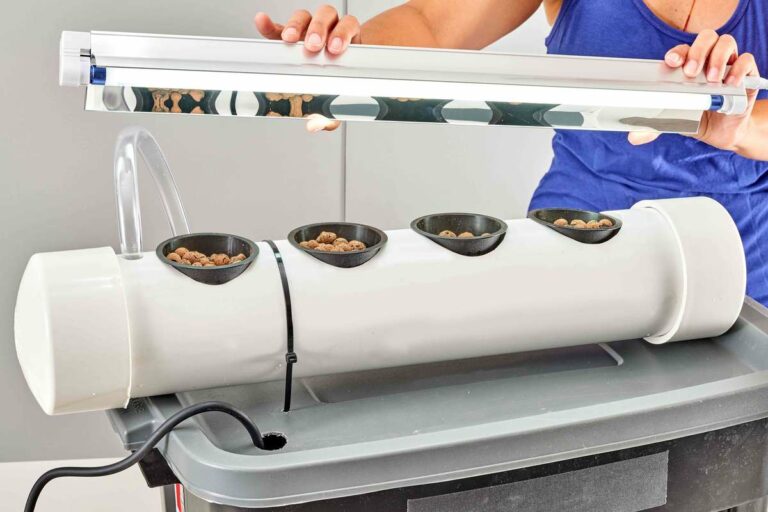
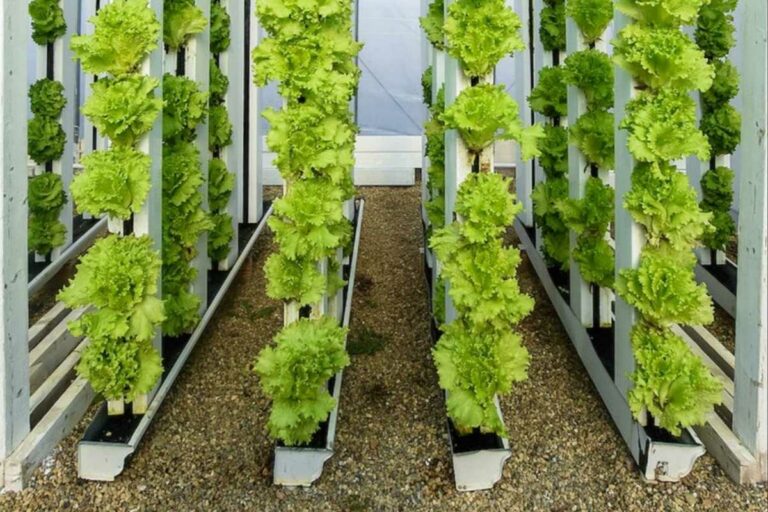
The hydroponics methods best suited for use with your organic nutrients are...
Leave the organic hydroponics page and Check out some Homemade Hydroponic Systems

|