Outdoor Hydroponic and Aeroponic Systems
by Anshuman
(New Delhi, Delhi, India)
I don't know much about aeroponics, but I do understand how the systems work. I wanted to know how effective aeroponic systems would be outdoors. I have seen a lot of these systems being used indoors with the lights and all, but for a commercial scale application would it be possible to effectively apply aeroponic systems outdoors if the root system can be adequately covered? (one hectare of land). We are planning to have a facility (outdoors) in India where the climate is quite hot. Regards, Anshuman.

Answer: Anshuman- One of the biggest challenges to doing this successfully in India will be keeping the temperature in the root zone from getting too hot. In Brazil, where many families have begun hydroponic gardens on their rooftops, they wrap the tubes in aluminum foil to reflect the sun and heat. A better approach might be to have flat sheets of foil positioned so your plants can grow above, and the tubes can be placed beneath. This increases the shade benefit, and also allows for the possibility of air cooling whenever you get a breeze (assuming the pipes are off the ground a short distance).

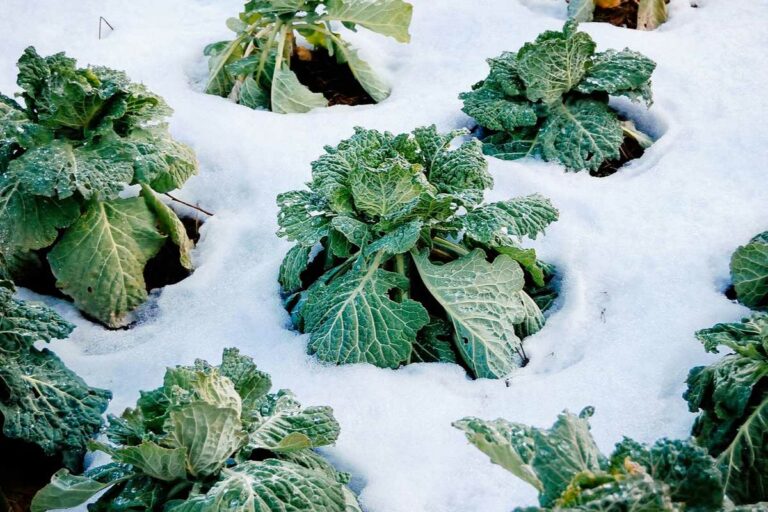
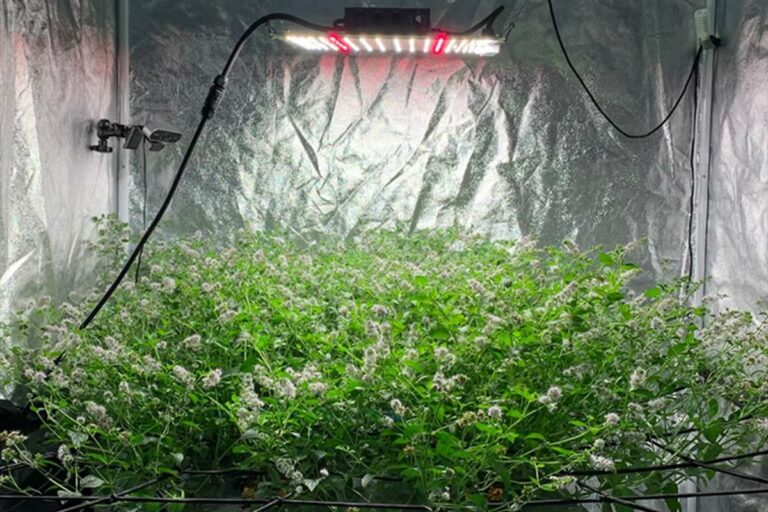
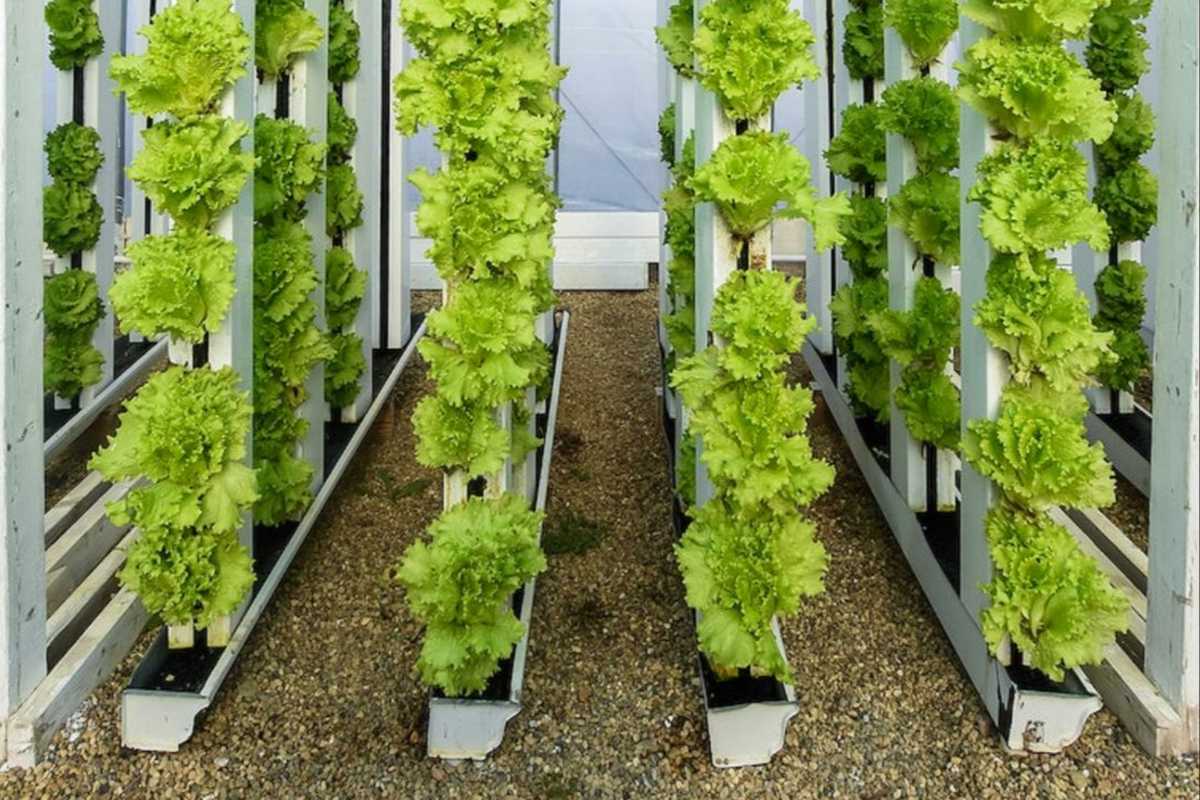
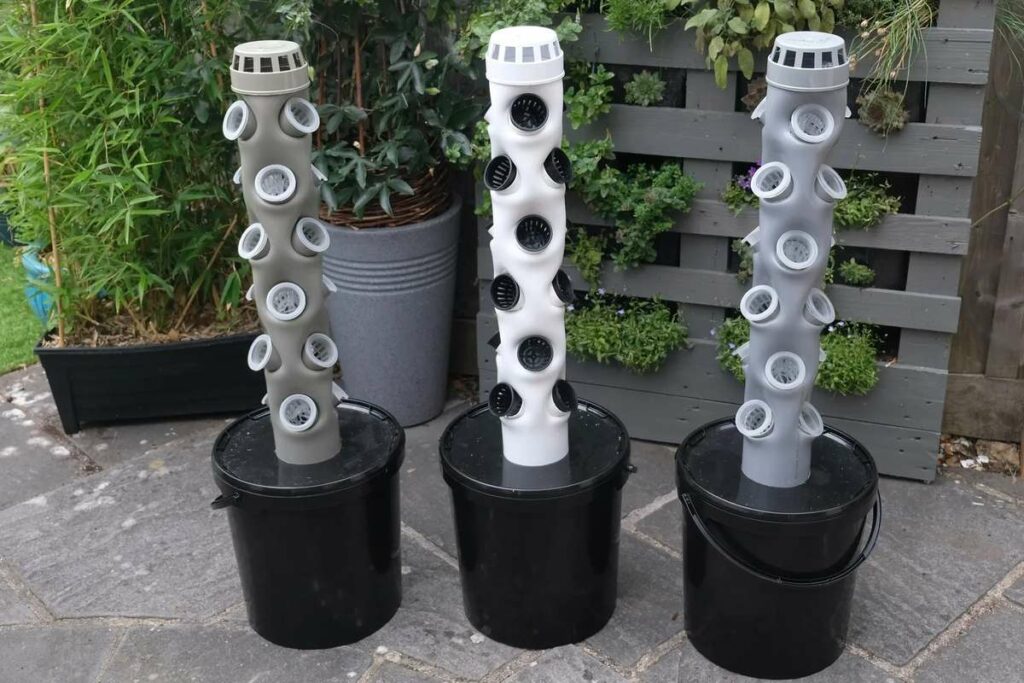
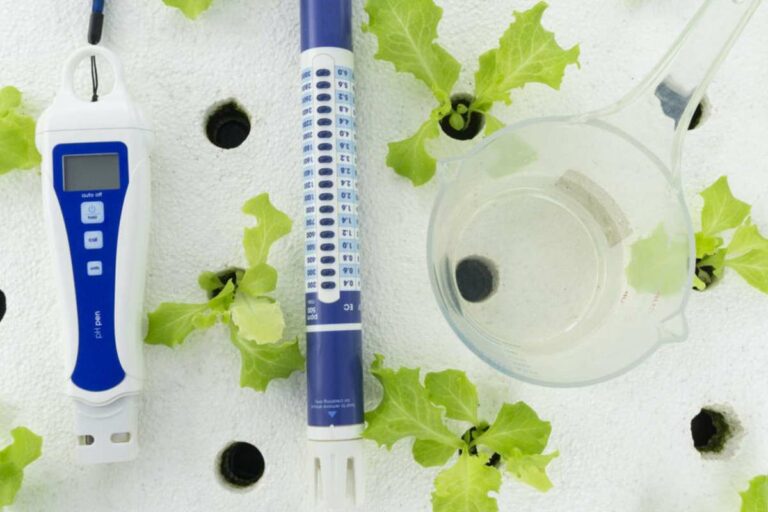
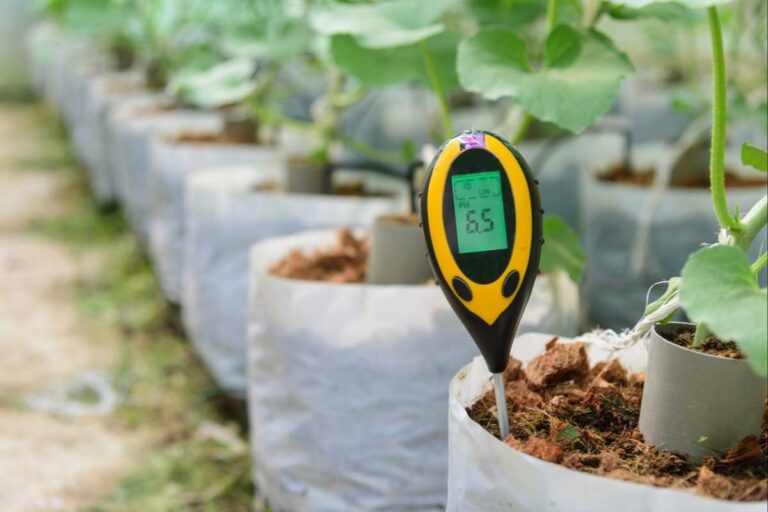
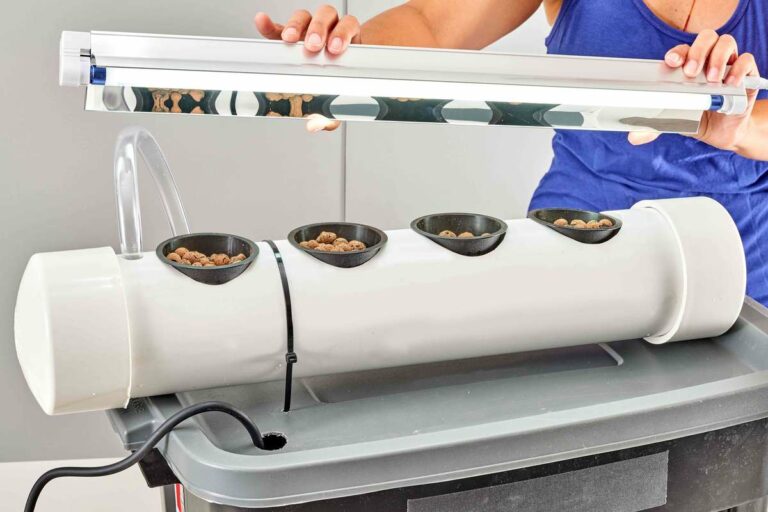
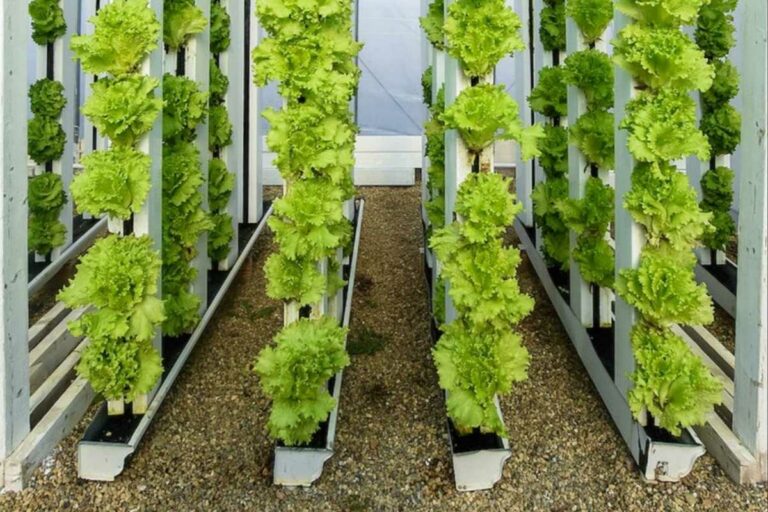
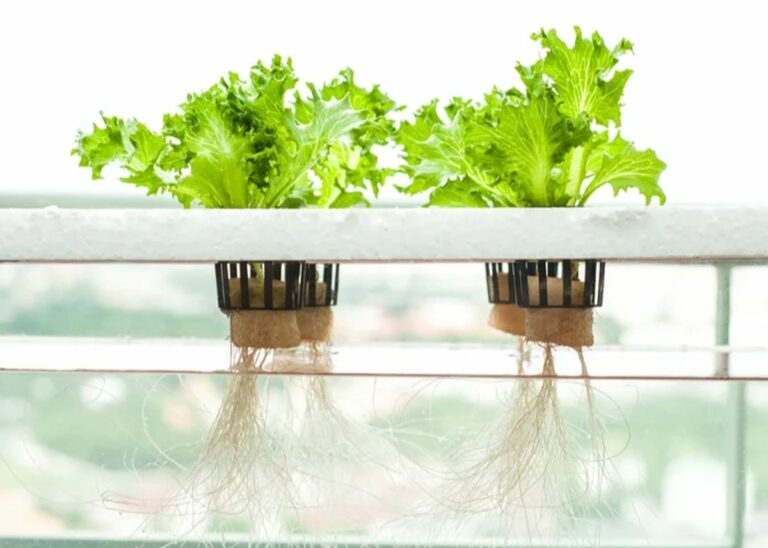
What does every hydroponic system in the photos above and below have in common? They are all being used outdoors....some of them in climates that regularly get above 90 degrees F during the growing season. Each system has one or more ways in which to keep the root zone from overheating. Although it is hard to see, in at least two photos the nutrient reservoir has been wrapped in a solar blanket. This keeps the nutrient reservoir from warming in the sun, much the same way aluminum foil would (but a little bit better).
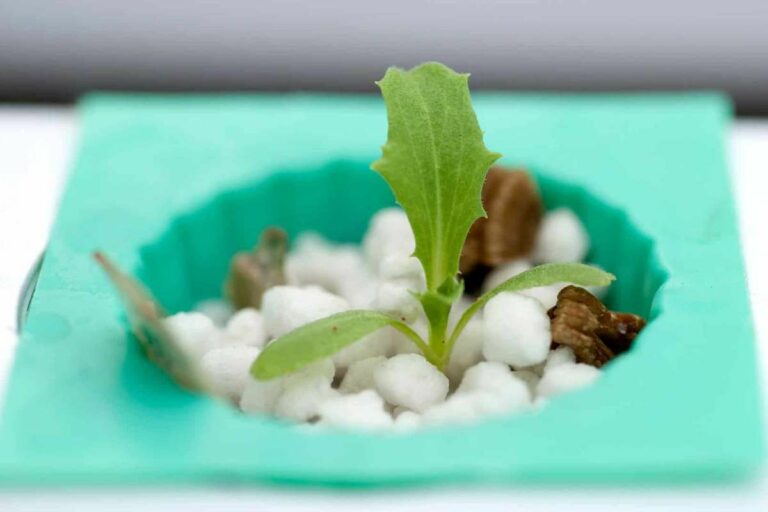
In two photos, a canopy or shade cloth has been used to prevent sunburn on more delicate crops. This also helps to keep the root zone from overheating. Several systems use a grow media, such as expanded clay pellets or vermiculite. In these systems, evaporation helps to keep the grow media cooler....but this can also be trouble. If evaporation rates are too high, the nutrient salts from your fertilizer might build up in the grow media. At some point this becomes critical and will prevent your plants from growing unless you flush the medium periodically to prevent this buildup.

While aluminum foil and shade cloths can help prevent the sun from warming your root zone, and while other hydroponic systems can benefit from the cooling effects of evaporation, the main thing you must do for an aeroponic system is control the water temperature. One strategy is to dig a cistern several feet underground in which to keep your nutrient solution. In this way, you will be using the geothermal cooling effect of the earth to maintain cool nutrient solution temperatures without any additional expense (such as an electric water cooler).
Finally, I do not recommend using well water in your hydroponic or aeroponic system. However, if you have a source of cold water such as a deep well, a cold water spring, or a lake or pond that stays cool, this provides an opportunity for water cooling your system. Your system can be designed to accommodate a 1/2 inch line in the bottom of your 4 inch or 6 inch pipes. This 1/2 inch line would not contain any spray nozzles or emitters....instead it would simply act as a condenser coil, recirculating cold water from your cold water source through the bottom of your whole system. This would cool any nutrient solution in the bottom of your pipes, and would also provide a modest refrigeration effect within the pipes themselves (which might work very well with the aluminum foil strategy).
I hope this gives you some good ideas to start with Anshuman, and Happy Growing!