Semi-Hardwood Cuttings
by Jason
(Concord NH )
I am going to be making a great deal of semi-hardwood cuttings this summer out of several tree species (Amur maple, Magnolia's, ect...) and up to now I was just planing on using peat pots and some home made rooting solution (aka - weeping willow branches) and also using some professional products just to test and see if they are worth the money. I would rather use organic over chemical any day.
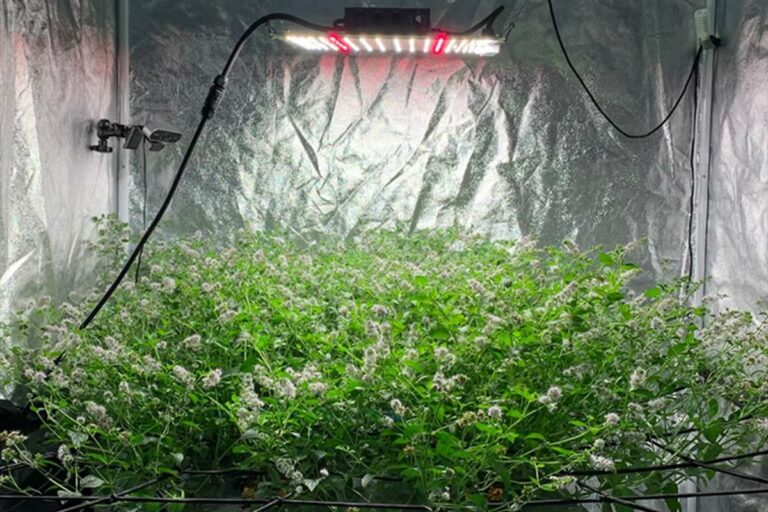
After reviewing your site and seeing a great deal on aeroponics, I figured it may be worth the time to consider that method. I also don't feel like waiting five years for the trees to be bigger than a twig, so I figured using hydroponics and MH/HPS (for a wide range of the spectrum) would help me to increase their size in less time than planting outdoors and letting them grow naturally. I live in a cross section of zones 4 and 5, and the growing season is short- I may have access to a place that has a temp of 40 - 50 degrees during the winter. I figured I can trick the plants into thinking that they are going through a winter season and then start the growing season all over again.
I will also note that I am starting Japanese wisteria from seed, which can take up to 20 years to flower. I'm too impatient and want to speed up this whole process. Should I go with aeroponics for cloning and growing for this? Should I stick with soil after I root the clones for putting through a false winter?
I am pretty resourceful and may figure something out, I figured you may have some advice about hydroponics/aeroponics that may be of some use to me on my quest.
As a little insight into why I am doing all this. I am in school for Landscape and environmental design, I love plants and trees and have a passion for them. I want to not only design yet also provide the plants in which I design the landscapes for. So I am practicing gardening now to get a head start in both fields. I am a little broke at the moment (college student ;) yet I do have a few bucks set aside for this whole operation and I figured lights are a must!! esp for indoor growing during a winter where it is dark at 4 PM (yeah, and I have SAD so I figured some extra light exposure wouldn't be such a bad idea.)
Any advice, tips, suggestions would be most appreciated! Thank you very much for you time in reviewing my message. Jason
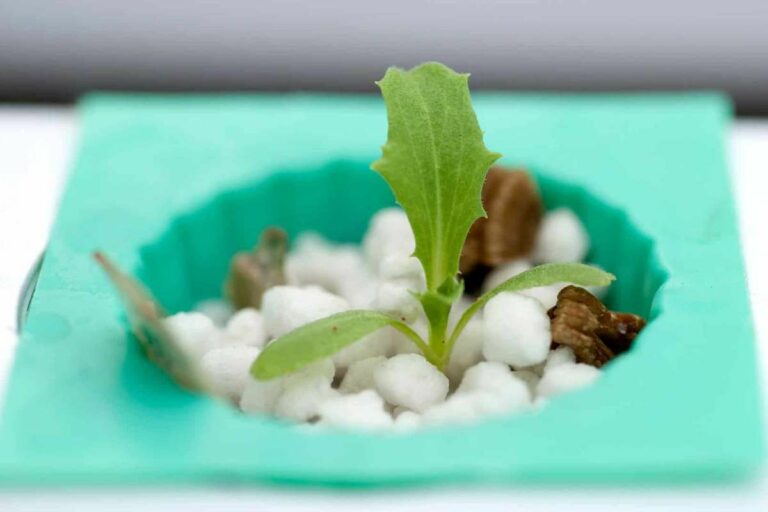
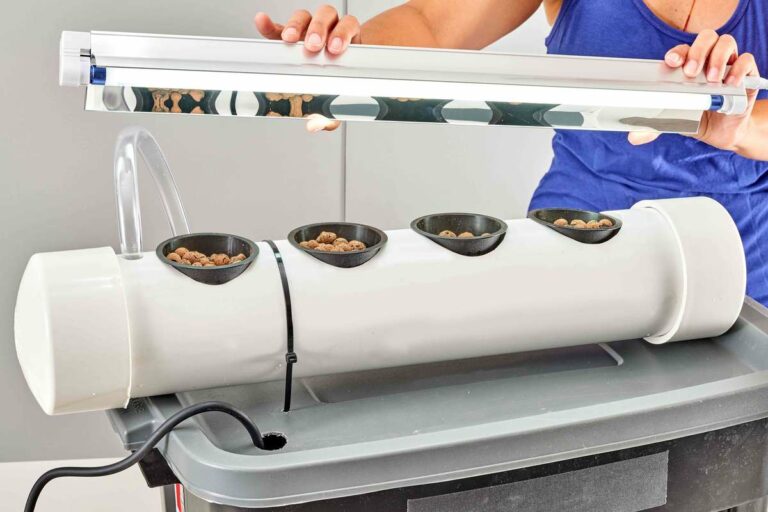
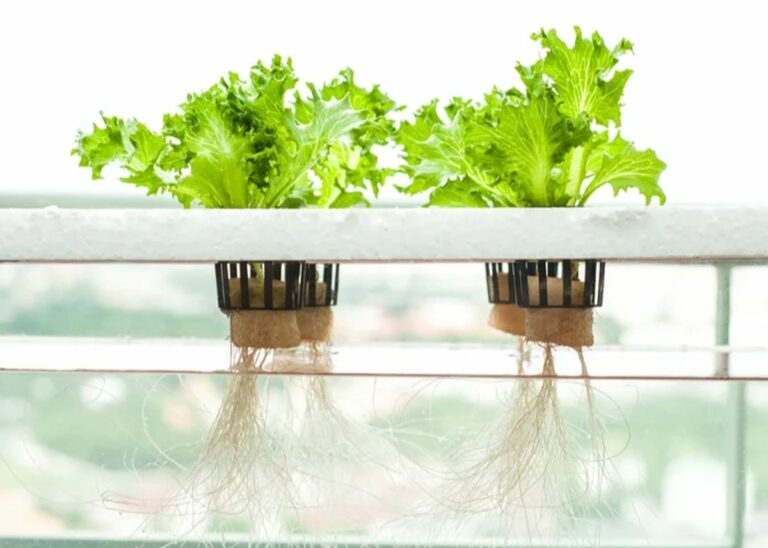
Answer: Jason- whenever you are doing lots of cuttings it becomes very convenient to use some kind of hydroponic or aeroponic cloner. My aeroponic cloner is very inexpensive to make, and is fully re-usable. Over the years, I have stopped trying to root new clones in clay pellets (as pictured on the page in the link above). Instead, I use Rapid Rooter plugs whenever I clone....I simply cut them down the side so I can open them up, lay the clone in there (after dipping in cloning gel), and wrap the plug back around the clone. I like doing it this way instead of trying to push a freshly cut clone down into a tiny hole in the plug, which can damage the fresh cut.
I recommend sticking with fluorescent lights until the clones have new roots poking out. Than they are ready to be transplanted, given a dose of fertilizer, and introduced to the Metal Halide light for a couple of hours. Break them in slowly, over four or five days. If you want to increase their growth rate, keep giving them at least 18 hours of light per day through the winter (as well as fertilizer once a week). Keep them around room temperature. By Spring, they should be much larger than they would have been otherwise.
Above would be your most successful course of action, however, soaking the cuttings in a solutions of room temperature water and B1 (such as Thrive Alive), than transferring to Rapid Rooter plugs would work well also. Thrive Alive green is all organic, while Thrive Alive red contains some chemical rooting ingredients in addition to natural plant hormones. For other last minute tips for success, check out my cloning success page. Hope this helps you out Jason, and Happy Growing!