Setting Up your Most Successful System
by Glenn
(Crameton, NC)
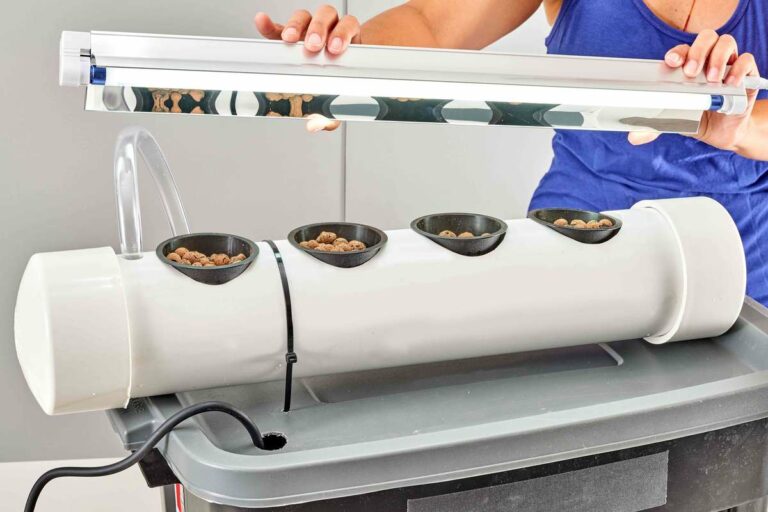
I am setting up a hydroponic system similar to what you have described. I have (4) 16 foot 4" PVC laterals which I have drilled out for plastic cups as you describe. I will make the holes in the 16oz. plastic cups using a solder iron as you describe. I have plastic end caps for the ends of the laterals to return the fluid back to the 30 gallon container.
What should the fluid level be in regards to the bottom of the plastic cups? Do I need to add any media to the cups? I have read about NFT systems, where the fluid level is low in the pipes, and other recommendations. What has been most successful for you? Thanks in advance, Glenn.
Answer Glen- two things first....using 16 foot pieces of PVC, you are going to want to support them well underneath every two or three feet. Otherwise you will get sagging. It even happened to me in my 8 foot system! Second, make sure you solder those cups in a well ventilated area- the fumes from burnt plastic are toxic and is what kills most people in a fire (not the fire itself).
When made the way I describe, the cups only sit down into the system so far. In order to get adequate water coverage inside the plastic cups, I first had to try to get the water level inside the PVC pipes as high as I could without causing any leaks. If the holes in the pipes are not all centered along the same high spot on the pipe, this becomes more difficult to do. Even one hole off center will force you to run your system at a slightly lower water level to keep it from leaking.
Once the holes are drilled and the whole system is filled with water and level, the water should be within about 1/4 inch from spilling out of each of the planting holes. As you can see, this is an affordable system (and it produces great results) but there is little room for err. Now when you begin to fill the system with the perforated cups, there should be about an inch and a half of water in the bottom of each cup. The more, the better.
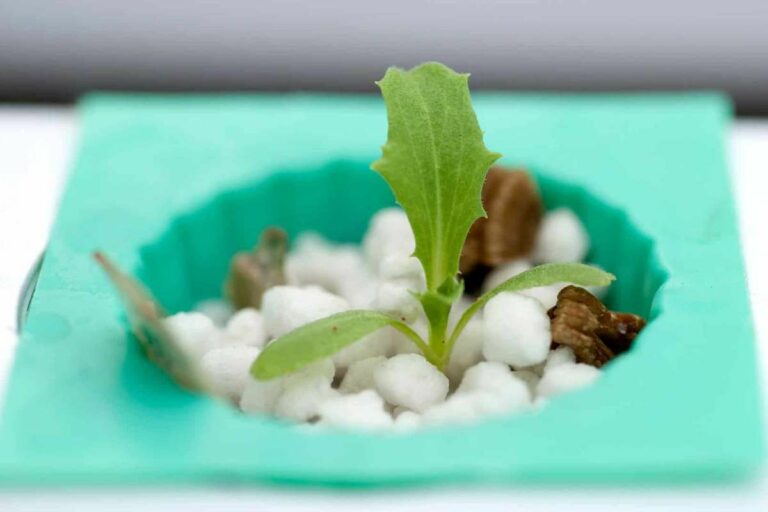
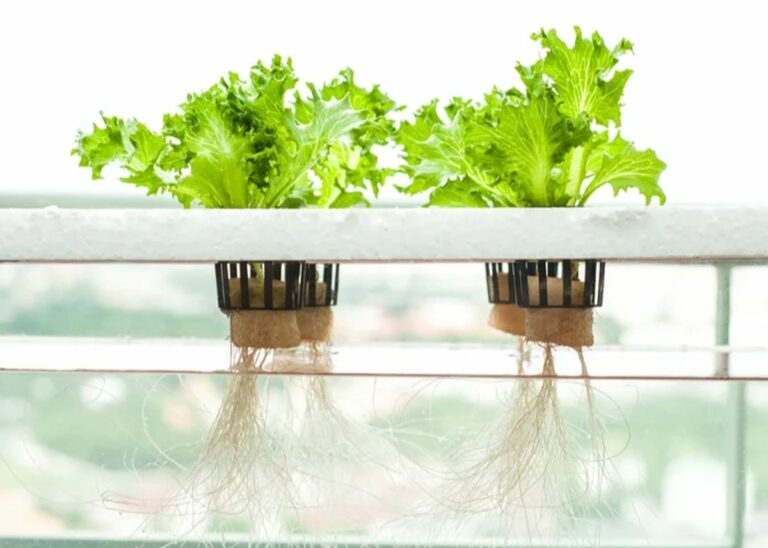
It is now time to fill each of the cups with an inch an inch and a half of pre-soaked clay pellets. Here is the strategy- you don't want to plant the roots of your clones underwater. You want to put just enough clay pellets in each cup so that the roots of the clones will not be under water, BUT NO MORE THAN THAT. After filling each cup a little with clay pellets, but before you plug any clones in, you should do a test. Looking down into each cup, you should be able to see the bed of clay pellets upon which your clones will be sitting- the top layer of pellets should be half in the water and half out of the water, so that you can also still see the water level. Finally, poke your finger down into each cup to make sure the base of clay pellets is solid (to make sure they are not just floating there).
Now you are ready to plug the clones in. Pop one into each cup and carefully fill the rest of the cup up with clay pellets around each clone plug. It is ok if the very top of the clone plug is still showing when you are done, but also ok if there is a layer of clay pellets over the top of the plug. Now you are all set and the rest of your energy can be spent on proper lighting, proper maintenance of the nutrient solution, proper temperature control, etc..
There are many, many different ways you can design a hydroponic system to provide food, water, and oxygen (at the root level) to your plants. To make things as simple and easy to use and maintain as possible, I came up with this design rather than a drip system, a flood and drain system, or a NFT system with low water levels. My system is more of a cross between a deep water culture system and an NFT system, which incorporated certain benefits (to the grower) from each different type. Because of it's ease of use, this is what has worked best for me so far....although I'm always looking to make improvements, lol. I hope this helps you out Glen, and Happy Growing!