The Hydroponic Nutrient Solution
by Michelle
(Tallahassee, FL)
I know that there is to be some kind of solution in the water that the plants are in...what is this solution made up of?
Answer: The hydroponic nutrient solution is made up water and plant food (fertilizer). The trick is knowing what the nutritional requirements are for the plants you are growing, then providing for all of those requirements through your feeding plan. This is harder to do in a hydroponic system than it is with plants grown in soil.
For plants grown in soil, you can often get away with feeding the plants a fertilizer containing just Nitrogen, Phosphorus, and Potassium (the basic N-P-K). This is true because organic soil usually contains at least some secondary nutrients (Calcium, Magnesium, and Sulfur) and micro-nutrients (Iron, Zinc, Manganese, Copper, Molybdenum, Silica, Boron and Cobalt). The micro-organisms found in organic soil also produce quantities of humic acid (as well as other substances) which help plants grow.
For plants grown in a hydroponic system, it is not enough to just give them any regular plant food with an N-P-K number. The fertilizer also needs to contain each secondary nutrient as well as each micro-nutrient. The absence of even one of these will cause a nutrient deficiency (and growth problems). This is why most hydroponic gardeners use nutrients made specifically for hydroponic gardening....these fertilizers are complete and using them is much easier than trying to mix up your own recipe.
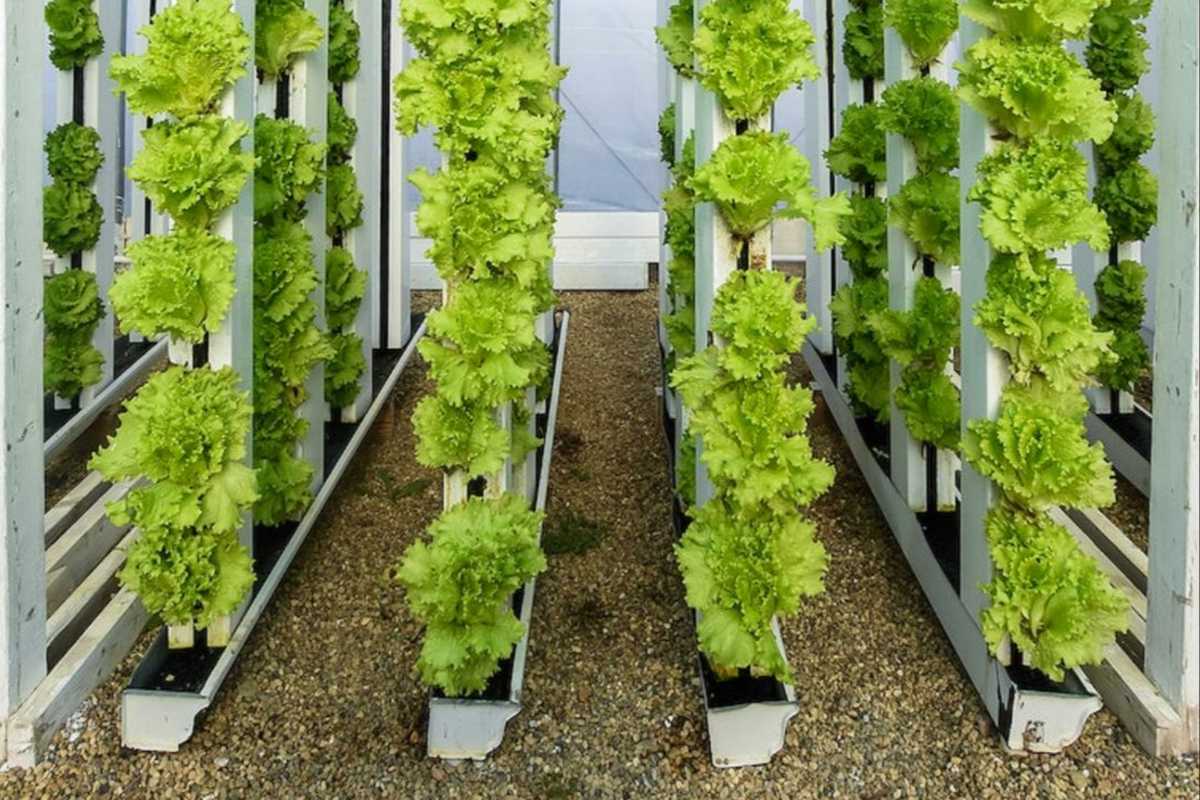
Make sure to do some research on the plants you are growing. This will help you determine what strength you should make the nutrient solution to start with, and what strength nutrient solution you should end up with at the end of the growing cycle. Lettuce, for example, will do well using a half strength (about 700 ppm) vegetative formula (high in Nitrogen) from start to finish. Tomatoes, on the other hand, can be started with a half strength vegetative formula but will need to have the fertilizer strength increased as they grow. Tomatoes will also require you to switch to a flowing formula (high in Phosphorus) when you cut the light cycle to force flowering.
I go into a little more detail on how to maintain your nutrient reservoir properly on my how to grow hydro page. When I first started gardening with hydroponics, I came up with a very simple, effective, and less expensive way of fertilizing my plants with a product called MaxSea. I do not use MaxSea anymore because it contains bloodmeal and bonemeal, and because I am paranoid about mad-cow disease....however, you can still find directions for doing so on my organic hydroponics page.
Another visitor recently asked me about hydroponic nutrients, and in this post I discuss some of my recommendations for professional hydroponic nutrients. I hope this helps :-)