Home
Hydro Gardening
Hydro Systems
Homemade Hydro
How to Grow Hydro
Grow Light Tips
Garden Design
Exhaust Setup
Tips & Tricks
Organic Gardening
Plant Life Cycle
Grow Herbs
Grow Tomatoes
Pest Control
Troubleshooting
Site Blog
The Daily Feeder
Hydro FAQ
Site Map
Ask the Expert
[?] Subscribe To This Site

XML RSS
Add to Google
Add to My Yahoo!
Add to My MSN
Subscribe with Bloglines

Transplanting Starts from Dirt to Hydroponics

I started my plants in dirt for one and a half weeks, then transplanted to a multi-flo system. They're not looking to good. Should I start my plants in the hydro system? I'm using clay pellets. Whats the best way to start plants?

Answer: Transplanting from dirt into a hydroponic system is usually a bad idea. While it is quite possible to make such a transplant successfully, the dirt itself causes all kinds of problems. Dirt will clog drip emitters and spray heads. For systems that are less picky, the dirt can still clog the filter to your pump and possibly burn your pump out. For the type of system you are using, I don't think enough of the dirt will make it to the pump to cause a problem. However, the dirt will make it a little more messy to clean and re-use your clay pellets.

There are several things that could be causing your young plants to not look so well. The number one problem in gardens in general is over watering. If your plants were kept too wet (soggy) while in soil, they might have been right on the verge of looking sick when you made the transplant. Also, soil tends to hold more than enough water, while clay pellets drain very quickly and can be difficult to keep at the proper moisture level sometimes. If you are irrigating your clay pellets properly, it is probably over watering the soil ball also. If the ball of dirt were only very small, than this becomes a non-issue.

Over watering often looks similar to under feeding. Fast growing plants need a shot of starter fertilizer in week one....not too strong, 500 ppm should be good for this first feeding. If using an actual starter fertilizer, simply follow the directions on the package. If you did not give your starts any fertilizer, and if there were no nutrients to speak of in the soil mix, than it is possible the starts just needed a little Nitrogen. Again, they would have been on the verge of looking sickly at the time of the transplant.

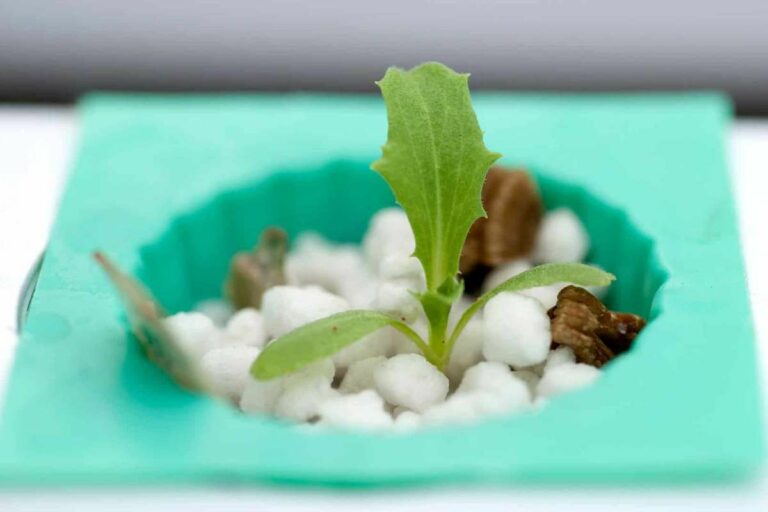
If you very carefully rinsed away the dirt from the roots in room temperature water, than transplanted the plants into the clay pellets, carefully placing pre-soaked clay pellets around the roots until the plant was properly supported, than that would be a different story. In that case, it could be normal transplant shock....especially after the extra handling of the roots! If that is the case, your plants should perk back up in about a week (assuming the nutrient strength and pH are correct in the new environment).

If your plants are only 1 1/2 weeks old, they should not be fed more than 700 ppm. Some plants prefer even a little bit less. As long as they are getting some nutrients, than it is better to err on the side of too little than too much. Just remember, the plants ARE getting a steady stream of fresh nutrients, available for the taking....and it will take them some time to strip all of the nutrients from the reservoir. Most plants prefer a pH of 6.0 or 6.2.

Finally, if you DID wash all the soil away before transplanting, than it becomes very important that you used pre-soaked clay pellets. It takes a minimum of 20 minutes of soaking for clay pellets to absorb an appropriate amount of water. Exposing delicate, bare roots to clay pellets that are a little on the dry side would only add to the stress of their transplant.

When it comes to starting plants, there really is no "best" way. If done properly, each way is capable of producing great results. The real question is (given the method you have chosen to use), "what plant growth conditions have not been kept ideal?". With so many things that could be causing a problem, it becomes more important to know your plants well and to know what conditions they need in order to thrive.

If you are starting with clones, than I recommend checking out my cloning success page. Over the years, I have stopped using rockwool plugs for this technique, and now prefer Rapid Rooter plugs. If you are starting seeds, than check out my seed starting page. On this page I recommend using a soilless mix, which is a little different than starting seeds in soil and which should work just fine for transplanting into your system. Otherwise, use the Rapid Rooter plugs again (and follow all of the other recommendations on the page). Also, check out my seedling stage page, which has the best information on how to feed and treat your young seedlings just after they sprout.

I hope this helps you out, and Happy Growing!

Click here to post comments.

Join in and write your own page! It's easy to do. How?
Simply click here to return to Plant Growth Troubleshooting Questions
.


footer for hydroponics gardening page