Home
Hydro Gardening
Hydro Systems
Homemade Hydro
How to Grow Hydro
Grow Light Tips
Garden Design
Exhaust Setup
Tips & Tricks
Organic Gardening
Plant Life Cycle
Grow Herbs
Grow Tomatoes
Pest Control
Troubleshooting
Site Blog
The Daily Feeder
Hydro FAQ
Site Map
Ask the Expert
Plants for Sale
[?] Subscribe To This Site

XML RSS
Add to Google
Add to My Yahoo!
Add to My MSN
Subscribe with Bloglines

Water Tests and LED Grow Lights

by Jayden
(Oak Ridge, TN)

I'm gearing up to start my first aeroponic system thanks to your site. I've been reading up on the water aspect that you've talked about and found davistestkit.com, which is an affordable kit/service and it does a host of testing.

Would this be going overboard, or would this be the right way to start off? If it is too much, what kit or service would you recommend? I'm planning to put in rain barrels this year, how would I need to treat the rain water to be a viable source of water for my system, if at all?

I didn't see anything about LED lights on your site and was curious as to your thoughts on them. Have you ever used them before? Most of my research seems to have a lot of people on one side of the fence or the other. But they are just so much more affordable and longer lasting than metal halide or any of the others. I don't want to put the money into them if they aren't worth it.

Thanks for the plethora of information you have here and for making it easy to understand. Your site is well laid out and easy to navigate. I know this is a lot of work and you're providing it as a free service for which I am completely grateful. I have one hydroponic shop that I can go to here in East Tennessee and they are (surprise!) open the same hours I work and are massively busy if I take a day off. Figures, right? Thanks again, Jayden.

Answer Jayden- Using rainwater is normally considered more healthy than using "city" water. It does not contain the poisonous chlorine and fluoride compounds (and other substances) put into municipal water supplies. You should not have to treat the rain water, simply keep leaves and other debris from falling into the water and decomposing. You will likely use the water before it ever has a chance to go stagnant. If it becomes an issue, put an air bubbler in the rain water collection reservoir.

That said, I have used city tap water for years without a problem. I simply leave it out overnight in a big plastic storage tote with no lid on it. By the next day, the water is de-chlorinated and room temperature. This helps prevent chlorine dead spots on your leaves and any damage from temperature shock (which is easier than you think).

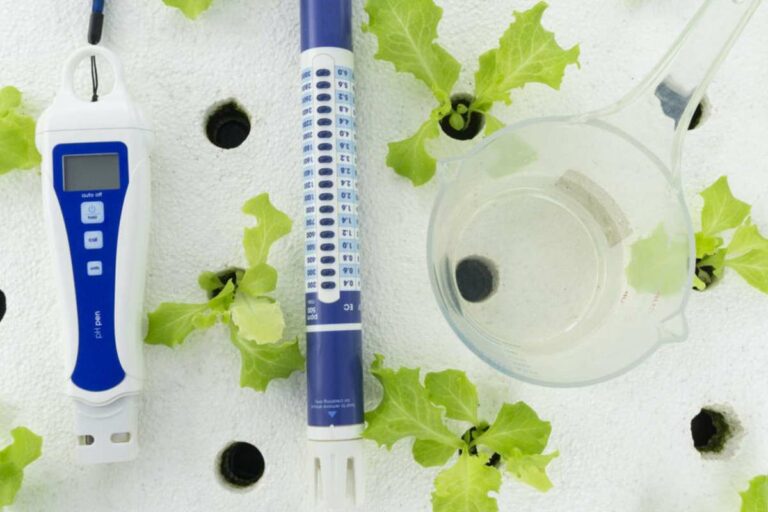
If using tap water, the whole $35.00 water test is probably unnecessary and overboard. I would just use your TDS meter to check the tap water. The number you get represents mostly calcium carbonate and sodium chloride (salt), and as a general guide, 200 ppm or less should be ok to use without a problem (not sure what it would be on an EC meter).

If you live in an area with heavy chemtrail activity, however, I would be at least a little concerned about using the collected rain water. Chemtrail activity has been linked to high levels of Aluminum Oxide, Barium compounds, heavy metals, and other substances in local water samples. Getting the more thorough water test might be a good idea in this case, just so you know what kind of water quality you are working with.

As far as LED's go, they claim the ability to put out lumens (usable light) equal to HID lights. It may be true, but I do not believe LED lights have the penetrating power that a comparable HID light has. I'm talking about a 24 inch effective light zone instead of having to keep your plants within 8 inches of the bulbs. I have seen no proof of it yet. If they had, I believe they would be making more of a splash in the "indoor gardening" market (in spite of their currently expensive prices).

The LED systems only seem more affordable until you consider how many of them you will need to bring a garden area up to 600 Watts or 1000 Watts. In exchange for the high price, they operate without producing nearly the amount of heat HID lights produce. They claim to do this while using less electricity than HID lights. They also last a lot longer than HID lights, supposedly without any loss in light output.

Less electric? Less heat? Less replacement? If you can deal with the higher initial cost, and if you don't mind the ongoing smaller yields, it could be a perfect lighting solution for someone. Happy Growing!


Click here to post comments.

Join in and write your own page! It's easy to do. How?
Simply click here to return to Misc Hydroponic Gardening Q&A
.


The Alex Jones Radio Show


SBI Success Story


Jason is voting for Ron Paul for President in 2012!

Ron Paul for President 2012


Ron Paul - End the Fed Reserve banking system